SA’IR · HEBRON · PALESTINE

A living heritage.
A lasting identity.

Al-Sanabel Center for Studies & Folk Heritage

Heritage worth researching. Culture worth reviving.

Discover our story →

OUR STORY

Keeping Palestinian memory alive

Al-Sanabel is a cultural and research center in Sa’ir, northeast of Hebron. Its work focuses on preserving, documenting, publishing and archiving Palestinian folk heritage, cultural identity and collective memory.

The initiative began with researcher Dr. Idris Jaradat in 1994. The center received its license on March 3, 1996, and the first issue of Al-Sanabel magazine appeared in June 1997.

“Our folk heritage is our national identity.”

The center brings together researchers, writers and community members to connect generations through knowledge, traditions and shared cultural work.
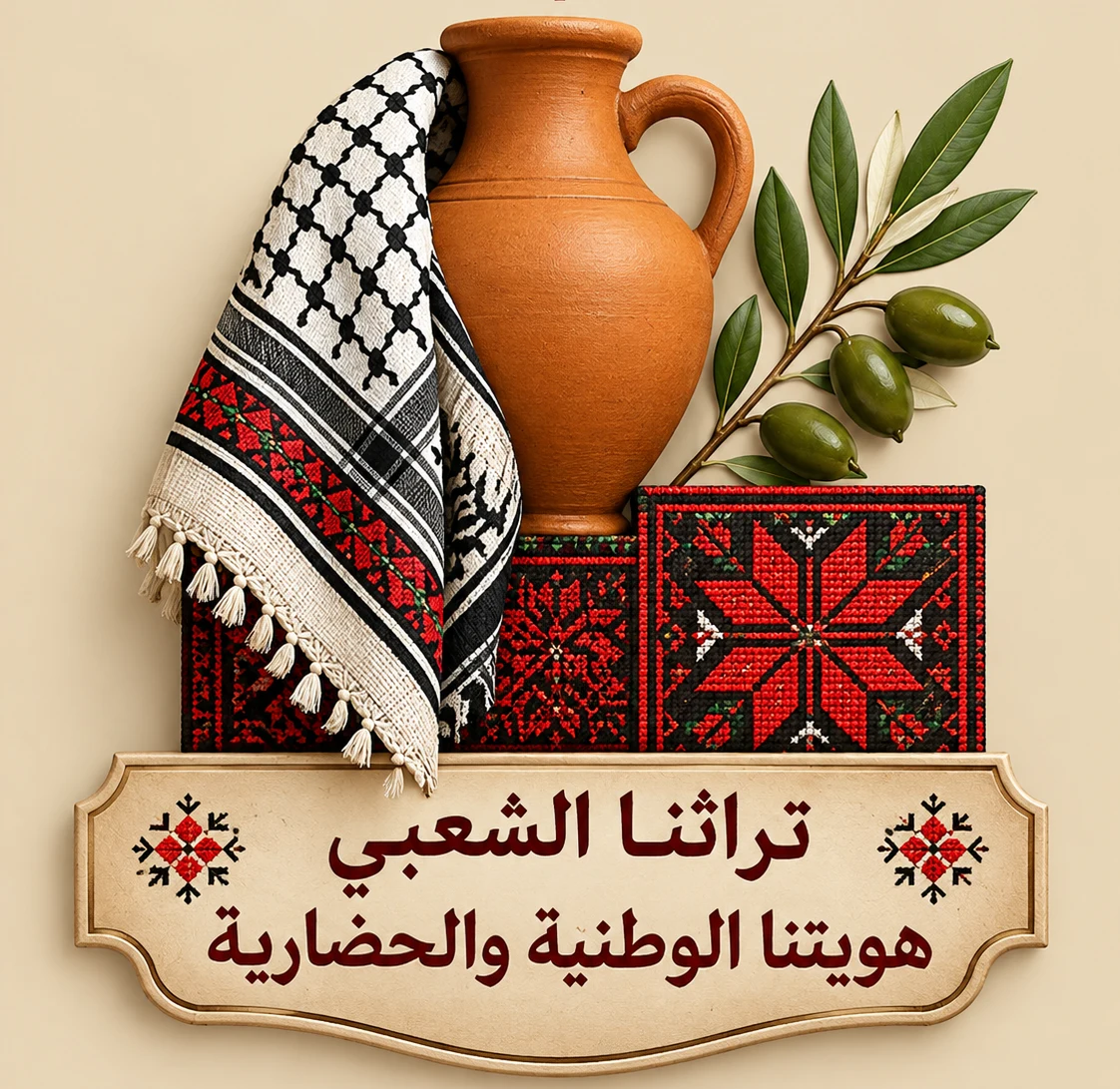
Palestinian embroidery, pottery and olive branches

WHAT WE DO

Research, preservation and community

Folk heritage museum

Collecting and preserving traditional tools, embroidery, clothing, musical instruments, manuscripts, coins and photographs.

Specialist library

Books, reference works and periodicals on social sciences, education and folk heritage, supporting students and researchers.

Documentation & publishing

Recording oral traditions, stories, proverbs, songs, crafts and local history through publications and visual archives.

Cultural exchange

Exhibitions, lectures, seminars, literary evenings and cooperation with cultural and research institutions.

Publications & Al-Sanabel magazine

The center’s catalog spans Palestinian folk games, traditional medicine, local history, women’s folk songs, proverbs, architecture, language, literature and education. Al-Sanabel magazine is another part of its mission to share research and cultural knowledge.

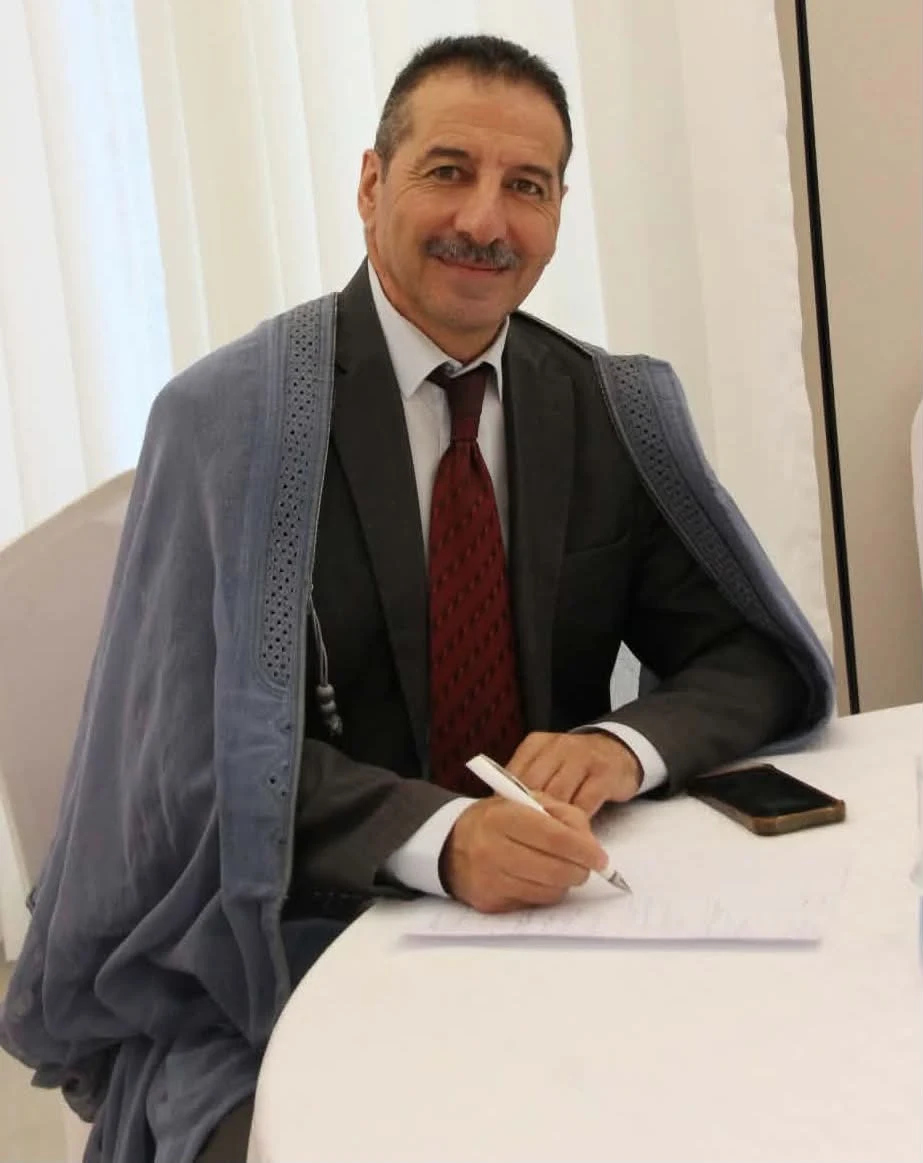
Dr. Idris Jaradat

FOUNDER & DIRECTOR

Dr. Idris Muhammad Saqr Jaradat

A researcher whose initiative led to the establishment of the center. He prepared its introductory brochure and worked with contributors to collect and archive material documenting its cultural journey.

Read the Arabic profile →